Main Line Backups
When the main clogs, waste comes up the lowest fixture, usually a basement floor drain or shower. Standing waste is pumped and extracted before any material removal starts.
- Extraction of standing waste
- Cleanout access checked
When blackwater comes up a drain, the contamination spreads into everything porous it touches. Call Water Heater Repairer and a live dispatcher will route you to an independent, licensed and insured cleanup contractor who works in full protective gear.
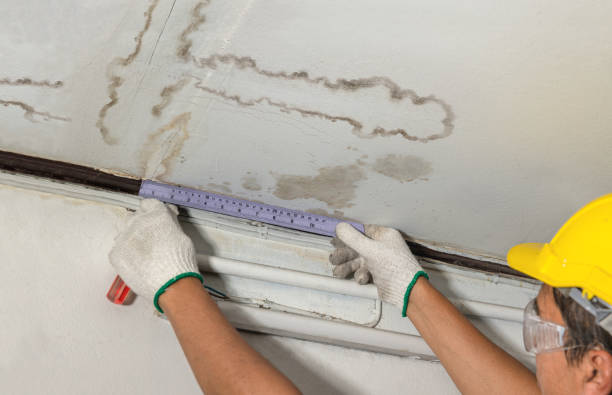
Under IICRC S500 guidance, sewage is Category 3 water, which means it is treated as grossly contaminated from the start. It needs a disciplined sequence and proper protection, otherwise the cleanup spreads the problem rather than ending it.
Calls are routed to licensed and insured independent contractors who suit up in respirators, Tyvek coveralls, nitrile gloves, and rubber boots. Plenty hold IICRC training, and you are welcome to ask for proof on arrival.
Sewage soaks into drywall and wood fast, so active backups get top priority on the dispatch board. Arrival is often quick, depending on location and how many homes a storm surcharge hit at once.
Before anything gets cut or bagged, the contractor marks what has to go and puts a flat-rate quote in writing. That paper also helps when you file with your insurer.
Expect EPA-registered disinfectants, HEPA vacuums, and air scrubbers built for contaminated jobs. Clearance testing, such as ATP or surface swabs, can be arranged if you ask.
The usual cause is a blocked main line, whether from tree roots, grease buildup, or a broken stretch of clay or cast iron. Others come from the city side, when heavy rain overloads the municipal sewer and it surcharges back into basements. The cleanup steps match, yet the long-term fix depends on which one hit you.
That is why we can route a plumber for a camera inspection of the line alongside the cleanup crew. Knowing what failed keeps you from paying for the same cleanup twice.

The order never changes on a blackwater job, which is contain, remove, clean, disinfect, and dry.
When the main clogs, waste comes up the lowest fixture, usually a basement floor drain or shower. Standing waste is pumped and extracted before any material removal starts.
An overflow that ran for a while can soak through subfloor and drip into the ceiling below. Moisture readings decide whether the underlayment and ceiling drywall can stay or must come out.
Carpet and pad that touched sewage are bagged and removed, with no exceptions. Drywall gets cut well above the high-water line, and wet insulation behind it comes out too.
Hard surfaces are HEPA vacuumed, scrubbed, and treated with an EPA-registered disinfectant with proper dwell time. Negative air machines keep contaminated air from reaching the rest of the home.
A camera inspection through the cleanout shows whether roots, sags, or a broken section caused the backup. Where surcharges are the issue, a backwater valve stops city sewage from flowing back into the house.
After removal and disinfection, the framing and slab need to be fully dry before anything new goes in. Expect air movers, dehumidifiers, and daily moisture logs, with HEPA air scrubbers handling the smell.
Four steps, handled by people who do this work every week.
The dispatcher asks you to stop running water, keep children and pets out, and kill power to any wet circuits. We also ask which drain overflowed and whether units on a shared line are affected.
We route the call to a nearby licensed cleanup contractor carrying PPE, pumps, and plastic sheeting. If the drain is still clogged, a licensed plumber can be lined up to open it.
The pro traces the contamination, checks moisture in walls and floors, and decides what must be removed. A written flat-rate quote with photos comes before anything gets removed.
After removal, cleaning, disinfection, and drying, the contractor walks you through the space and the drying records. Ask about clearance testing and the contractor's own written workmanship warranty.
Bleach kills surface germs but does nothing for waste soaked inside drywall, carpet pad, or the bottom plate of a wall. A regular shop vac can aerosolize the contamination and spread it through the room. That lingering smell a week later is usually the sign something porous got left behind.
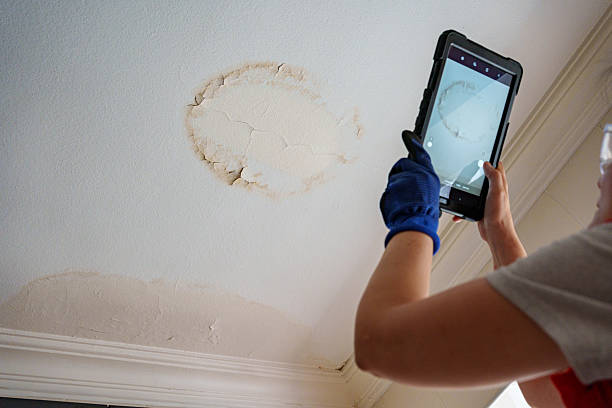
Stop all water use, keep everyone out of the area, and call.
The floor drain gurgled during a heavy storm and then sewage poured out for an hour. They came in suits and masks, removed the carpet and cut the drywall above the line, with air scrubbers running nonstop. They recommended a backwater valve, and a plumber installed one a week later.
I have a toddler and a dog, so the health side scared me more than the damage. The crew sealed off the hallway with plastic, disinfected everything, and offered swab testing before we moved back into the room. Seeing clean test results is what finally let me relax.
The other half of our duplex shares the lateral, and their clog came up through my shower. A camera inspection showed tree roots packed into the clay section near the street. The cleanup contractor and the plumber both put everything in writing, which helped sort out who paid for what.
The smell hit me the second I opened the basement door, and I honestly did not know who to call first. The dispatcher told me to stop running water, sent a plumber to clear the main, and had a cleanup contractor there that afternoon. My adjuster took the itemized scope and photos as-is, which saved a lot of back and forth.
For a small, contained spill, most families stay in the rest of the house while the area is sealed off. Young children, older adults, pregnant women, and anyone with a weak immune system should stay away until cleanup is done.
No. Carpet and pad that touched Category 3 water are considered unsalvageable under industry guidance. Nonporous surfaces such as tile and concrete can typically be cleaned, disinfected, and kept.
Usually it is a clog in your main line from roots, grease, or broken pipe. During storms, an overloaded city sewer can push back into homes, and a camera inspection tells you which one it was.
A backwater valve lets waste leave the house but closes when sewage tries to flow back in from the street. It will not fix a clog on your own line, so a camera inspection still matters.
Many standard policies exclude sewer backup unless you added a specific water backup endorsement. Check with your insurer, document everything with photos, and hold onto the written quote and moisture records.
Ask the contractor about clearance testing, such as ATP readings or surface swabs sent to a lab. You should also get moisture readings showing framing and subfloor are dry before anything is rebuilt.
We route calls to independent cleanup contractors working throughout Brilliant and the surrounding suburbs. Coverage reaches zip codes like 43913.
Older parts of Brilliant often still have clay or cast iron laterals, which is where root intrusion and cracked pipe cause repeat backups. Low-lying streets also see more surcharge backups after heavy rain. Mention the age of the house and any past backups so the right contractor gets the call.

Basement drain overflows and finished lower-level cleanups.
Shared stacks and laterals in condos, duplexes, and apartments.
The same network reaches the suburbs around Brilliant.
